
This is default featured slide 1 title

Go to Blogger edit html and find these sentences.Now replace these sentences with your own descriptions.This theme is Bloggerized by Lasantha Bandara - Premiumbloggertemplates.com.

This is default featured slide 2 title

Go to Blogger edit html and find these sentences.Now replace these sentences with your own descriptions.This theme is Bloggerized by Lasantha Bandara - Premiumbloggertemplates.com.

This is default featured slide 3 title

Go to Blogger edit html and find these sentences.Now replace these sentences with your own descriptions.This theme is Bloggerized by Lasantha Bandara - Premiumbloggertemplates.com.

This is default featured slide 4 title

Go to Blogger edit html and find these sentences.Now replace these sentences with your own descriptions.This theme is Bloggerized by Lasantha Bandara - Premiumbloggertemplates.com.

This is default featured slide 5 title

Go to Blogger edit html and find these sentences.Now replace these sentences with your own descriptions.This theme is Bloggerized by Lasantha Bandara - Premiumbloggertemplates.com.

Tuesday, December 11, 2012

Alzheimer's Disease Pictures

Could It Be Alzheimer's?

It's normal for our loved ones to become a bit forgetful as they age. So how can we separate a harmless "senior moment" from a more serious problem like Alzheimer's disease? One in eight people 65 and older have this devastating form of dementia. In its first stages, Alzheimer's may not be obvious to friends and family. But there are some early warning signs to watch for.
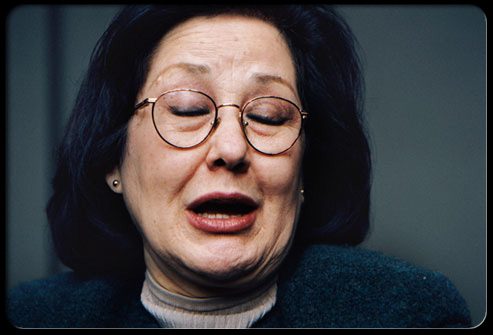
 

Warning Signs: Memory and Speech

In early Alzheimer's, long-term memories usually remain intact while short-term memories become sketchy.
 Your loved one may forget conversations you had. He or she may repeat questions that were already answered.
 The disease also disrupts speech, so patients may struggle to remember common words.
 

Warning Signs: Behavior

In addition to memory loss, Alzheimer's can cause confusion and behavior changes.
 Your loved one may get lost in familiar places.
Mood swings and poor judgment are also common, as is poor hygiene.
People who once dressed with style may resort to wearing stained clothes and unwashed hair.


Don't Ignore the Signs


While it's difficult to face the possibility that a loved one could have Alzheimer's, it's better to consult a doctor sooner rather than later.

First, the diagnosis might not be Alzheimer's after all.

The symptoms could be caused by a highly treatable problem, such as a thyroid imbalance.

 And if it is Alzheimer's, today's treatments work best when they are used early in the course of the disease.


Diagnosing Alzheimer's


There is no simple test for Alzheimer's, so the doctor will rely on you to describe the changes in your loved one.

A mental status test, sometimes called a "mini-cog," or other screening tests can help evaluate the patient's mental function and short-term memory.

In addition, neurological exams and brain scans may be used to rule out other problems, such as a stroke or tumor -- and they can help provide other information about the brain.


Alzheimer's Progression: What to Expect

Alzheimer's disease takes a different path in every patient.
 In some people the symptoms worsen quickly, leading to severe memory loss and confusion within a few years.
In others, the changes may be more gradual with the disease taking 20 years to run its course.
 The average length of survival after a diagnosis of Alzheimer's is three to nine years.
 

How Alzheimer's Affects Daily Life

Because Alzheimer's affects concentration, patients may lose the ability to manage ordinary tasks like cooking or paying the bills.
A study suggests difficulty balancing a checkbook is often one of the first effects of Alzheimer's.
 As the symptoms worsen, your loved one may not recognize familiar people or places.
 He or she may get lost easily, or use utensils improperly, such as combing hair with a fork. Incontinence, balance problems, and loss of language are common in the advanced stages.
 

Alzheimer's and Driving

Poor coordination, memory loss, and confusion make for a dangerous combination behind the wheel. If you feel your loved one should not be driving, explain why. If he or she won't listen, ask the doctor to step in.
If the patient still insists on driving, contact the Department of Motor Vehicles for an assessment. Then make an alternate plan for your loved one's transportation needs.
 

Alzheimer's and Exercise

Exercise can help people with Alzheimer's maintain some muscle strength and coordination. It also improves mood and may reduce anxiety.
 Check with your loved one's doctor to learn which types of exercise are appropriate.
Repetitive activities, such as walking, weeding, or even folding laundry may be the most effective at promoting a sense of calm.
 

Alzheimer's Medications

There is no cure for Alzheimer's disease, and no known way to slow the nerve damage within the brain. But there are a variety of medications that appear to help maintain mental function and slow the disease progression.
 If these treatments are given during the early stages of Alzheimer's, your loved one may be able to remain independent and carry out daily tasks for a longer period of time.
 

The Caregiver's Role

As the caregiver of someone with Alzheimer's, you will probably wear many hats -- cook, chauffeur, accountant. While you may have to handle the meal planning and finances, encourage the patient to do some activities independently.
 It may help to label cabinets with their contents and put up sticky notes with reminders of daily tasks.
Be sure to buy a weekly pill box for medications.
 

Challenges in Caregiving

In the early stages of Alzheimer's, patients often understand what is happening and may be ashamed or anxious. Watch for signs of depression because this can often be managed with medication.
 In the more advanced stages, your loved one may become paranoid or violent and could even turn on you. Remember that the disease is responsible for this change.
 Alert the doctor about violent behavior promptly.
 

Sundown Syndrome

Some people with Alzheimer's become distressed when the sun goes down. This agitation tends to last through the evening and sometimes all through the night.
 The cause is not known, but there are some strategies to ease the tension.
Keep the house well lit and close the drapes before sunset.
Try distracting your loved one with a favorite activity or TV show.
And restrict caffeine after breakfast.
 

When Your Loved One Doesn't Know You

Many people with Alzheimer's have trouble remembering names -- even those of close family members. A temporary fix is to put up pictures of friends and relatives with names printed underneath. Eventually, the patient may no longer recognize faces and may react to loved ones as if they are strangers.
 This can be a distressing time for family members, especially the primary caregiver.
 

Warning Signs of Caregiver Stress

Caring for someone with Alzheimer's can be physically and mentally taxing. Signs of caregiver stress include:
  • Anger, sadness, and mood swings
  • Headaches or back pain
  • Difficulty concentrating
  • Difficulty sleeping
 

Taking Care of the Caregiver

To avoid caregiver burnout, make sure you take at least a few minutes to do something you enjoy every day. Stay in touch with friends and keep up with hobbies whenever possible.
 Find a friend or relative to be your support person.
 You can also join an online or local caregiver support group through the Alzheimer's Association.


Essential Documents

While your loved one is still able to make important decisions, contact an attorney about drafting advance directives. These are legal documents that spell out the patient's preferences for medical treatments and end-of-life care.
 The patient should designate someone to make health care decisions and manage finances on his or her behalf.
This can avoid confusion when your loved one is no longer able to state his or her wishes.
 

Home Health Care

Many patients express a desire to stay in their own homes as long as possible. Unfortunately, they may have trouble getting dressed or using the bathroom on their own as the disease advances.
 A home health aide can assist with personal hygiene and other daily tasks.
 You can also look into local services that deliver meals or provide transportation to the elderly. Most communities have an Area Agency on Aging that provides such services.
 

Assisted Living Facilities

There may come a day when your loved one can no longer be cared for at home.
 If he or she does not need 24-hour nursing care, an assisted-living facility may be an appropriate choice.
ALFs provide housing, meals, and activities, but are much less expensive than nursing homes.
 Look for a facility with an Alzheimer's special care unit, which delivers 24-hour supervision and personal care to meet the needs of people with dementia.


End-Stage Alzheimer's

People with advanced Alzheimer's may lose the ability to walk, talk, or respond to others.
 Eventually, the disease can hinder vital functions, such as the ability to swallow.
 Patients in this stage may benefit from hospice care, which provides pain relief and comfort for the terminally ill.


Helping Children Cope

Children may feel confused, afraid, or even resentful when a family member is affected by Alzheimer's. Let the child know these feelings are normal and answer his or her questions about the illness honestly.
 Help the child celebrate happy memories of the patient -- for example, by creating a scrapbook.


Reducing Your Risk of Alzheimer's

If you're caring for a relative with Alzheimer's, you might be wondering if there's anything you can do to reduce your own risk. Research in this area is ongoing, but diet and exercise appear key.
 Studies indicate a lower risk among people who eat a Mediterranean diet rich in vegetables, fish, and nuts. Research also suggests those who are the most physically active are the least likely to get Alzheimer's.
 

Your doctor: Stages of Pregnancy Pictures

Your doctor: Stages of Pregnancy Pictures: Overview Pregnancy is measured in trimesters from the first day of your last menstrual period (LMP) and normally lasts about 40 week...

Brain Disorders Image Collection

 
1. Picture of Vascular (Multi-Infarct) Dementia 1
Vascular dementia is the second most common cause of dementia, after Alzheimer's disease. It accounts for up to 20 % of all dementias and is caused by brain damage from cerebrovascular or cardiovascular problems - usually strokes. It also may result from genetic diseases, endocarditis (infection of a heart valve), or amyloid angiopathy (a process in which amyloid protein builds up in the brain's blood vessels, sometimes causing hemorrhagic or "bleeding" strokes). In many cases, it may coexist with Alzheimer's disease. Unlike people with Alzheimer's disease, people with vascular dementia often maintain their personality and normal levels of emotional responsiveness until the later stages of the disease. People with vascular dementia frequently wander at night and often have other problems commonly found in people who have had a stroke, including depression and incontinence.
 
 
2. Picture of Vascular (Multi-Infarct) Dementia 2 
There are several types of vascular dementia, which vary slightly in their causes and symptoms. One type, called multi-infarct dementia (MID), is caused by numerous small strokes in the brain. Multi-infarct dementia typically includes multiple damaged areas, called infarcts, along with extensive lesions in the white matter, or nerve fibers, of the brain. Although not all strokes cause dementia, in some cases a single stroke can damage the brain enough to cause dementia. This condition is called single-infarct dementia. Dementia is more common when the stroke takes place on the left side (hemisphere) of the brain and/or when it involves the hippocampus, a brain structure important for memory.
Other types of vascular dementia include Binswanger's disease and CADASIL (cerebral autosomal dominant arteriopathy with subcortical infarct and leukoencephalopathy).


3. Picture of Lewy Body Dementia

Lewy body dementia (LBD) is one of the most common types of progressive dementia. Lewy body dementia usually occurs sporadically, in people with no known family history of the disease. However, rare familial cases have occasionally been reported. In Lewy body dementia, cells die in the brain's cortex (outer layer), and in a part of the mid-brain called the substantia nigra. Many of the remaining nerve cells in the substantia nigra contain abnormal structures called Lewy bodies that are the hallmark of the disease.
The symptoms of Lewy body dementia overlap with Alzheimer's disease in many ways, and may include memory impairment, poor judgment, and confusion. However, Lewy body dementia typically also includes visual hallucinations, parkinsonian symptoms such as a shuffling gait (walk) and flexed posture, and day-to-day fluctuations in the severity of symptoms. Patients with Lewy body dementia live an average of 7 years after symptoms begin. There is no cure for Lewy body dementia, and treatments are aimed at controlling the parkinsonian and psychiatric symptoms of the disorder.


 4. Picture of Frontotemporal Dementia (FTD)
Frontotemporal dementia, sometimes called frontal lobe dementia, describes a group of diseases characterized by degeneration of nerve cells - especially those in the frontal and temporal lobes of the brain. Unlike Alzheimer's disease, frontotemporal dementia usually does not include formation of amyloid plaques. In many people with frontotemporal dementia, there is an abnormal form of tau protein in the brain, which accumulates into neurofibrillary tangles. This disrupts normal cell activities and may cause the cells to die.


5. Picture of HIV-associated Dementia (HAD)
A 40-year-old woman diagnosed with HIV presented with confusion and decline in memory. The MRI shows atrophy and white matter hyperintensity on T2 not involving U-fibers.


6. Picture of Huntington's Disease
Huntington's disease is a hereditary disorder caused by a faulty gene for a protein called huntingtin. The children of people with the disorder have a 50% chance of inheriting it. The disease causes degeneration in many regions of the brain and spinal cord. Symptoms of Huntington's disease usually begin when patients are in their thirties or forties, and the average life expectancy after diagnosis is about 15 years. Cognitive symptoms of Huntington's disease typically begin with mild personality changes, such as irritability, anxiety, and depression, and progress to severe dementia. Many patients also show psychotic behavior. Huntington's disease causes chorea - involuntary jerky, arrhythmic movements of the body - as well as muscle weakness, clumsiness, and gait disturbances.


7. Picture of Corticobasal Degeneration (CBD)
(A,B) T2-weighted image showing diffuse asymmetric (L > R) bilateral frontoparietal atrophy (arrows) in a 54-year-old woman with progressive nonfluent aphasia and mild parkinsonism due to pathology-proven corticobasal degeneration.
 

Dementia Pictures


Dementia Overview

A woman in her early 50s was admitted to a hospital because of increasingly odd behavior.
 Her family reported that she had been showing memory problems and strong feelings of jealousy. She also had become disoriented at home and was hiding objects.
During a doctor's examination, the woman was unable to remember her husband's name, the year, or how long she had been at the hospital. She could read but did not seem to understand what she read, and she stressed the words in an unusual way.
 She sometimes became agitated and seemed to have hallucinations and irrational fears.
Auguste Deter was the first person reported (in 1901) to have the form of dementia now known as Alzheimer's disease. The disease is named after Alois Alzheimer, the German doctor who first described it.
Alzheimer's disease is a major cause of dementia. After Auguste Deter died in 1906, doctors examined her brain and found that it appeared shrunken and contained several unusual features; including strange clumps of protein called plaques and tangled fibers inside the nerve cells.
 

What is Dementia?

Dementia is not a specific disease. It is a descriptive term for a collection of symptoms that can be caused by a number of disorders that affect the brain. People with dementia have significantly impaired intellectual functioning that interferes with normal activities and relationships.
They also lose their ability to solve problems and maintain emotional control, and they may experience personality changes and behavioral problems such as agitation, delusions, and hallucinations.
 While memory loss is a common symptom of dementia, memory loss by itself does not mean that a person has dementia. Doctors diagnose dementia only if two or more brain functions - such as memory, language skills, perception, or cognitive skills including reasoning and judgment - are significantly impaired without loss of consciousness.
 

What Are the Different Kinds of Dementia?

Dementing disorders can be classified many different ways.
 These classification schemes attempt to group disorders that have particular features in common, such as whether they are progressive or what parts of the brain are affected. Some frequently used classifications are shown in this chart.
Some types of dementia fit into more than one of these classifications.
 For example, Alzheimer's disease is considered both a progressive and a cortical dementia. There are many disorders that can cause dementia which are described on the following slides.


Alzheimer's Disease

Alzheimer's disease is the most common cause of dementia in people aged 65 and older.
 Experts believe that up to 4 million people in the United States are currently living with the disease: one in ten people over the age of 65 and nearly half of those over 85 have Alzheimer's disease
. At least 360,000 Americans are diagnosed with Alzheimer's disease each year and about 50,000 are reported to die from it. In most people, symptoms of Alzheimer's disease appear after age 60. However, there are some early-onset forms of the disease, usually linked to a specific gene defect, which may appear as early as age 30.
 Alzheimer's disease usually causes a gradual decline in thinking abilities, usually during a span of 7 to 10 years. Nearly all brain functions, including memory, movement, language, judgment, behavior, and abstract thinking, are eventually affected.
 

Alzheimer's Disease (continued)

Alzheimer's disease is characterized by two abnormalities in the brain: amyloid plaques and neurofibrillary tangles. Amyloid plaques, which are found in the tissue between the nerve cells, are unusual clumps of a protein called beta amyloid along with degenerating bits of neurons and other cells. Neurofibrillary tangles are bundles of twisted filaments found within neurons.
These tangles are largely made up of a protein called tau. In healthy neurons, the tau protein helps the functioning of microtubules, which are part of the cell's structural support and deliver substances throughout the nerve cell. However, in Alzheimer's disease, tau is changed in a way that causes it to twist into pairs of helical filaments that collect into tangles.
When this happens, the microtubules cannot function correctly and they disintegrate.
 This collapse of the neuron's transport system may impair communication between nerve cells and cause them to die. Researchers do not know if amyloid plaques and neurofibrillary tangles are harmful or if they are merely side effects of the disease process that damages neurons and leads to the symptoms of Alzheimer's disease.
 They do know that plaques and tangles usually increase in the brain as Alzheimer's disease progresses.
 

Alzheimer's Disease (continued)

In the early stages of Alzheimer's disease, patients may experience memory impairment, lapses of judgment, and subtle changes in personality.
 As the disorder progresses, memory and language problems worsen and patients begin to have difficulty performing activities of daily living, such as balancing a checkbook or remembering to take medications.
They may become disoriented about places and times, may suffer delusions (such as the idea that someone is stealing from them or that their spouse is being unfaithful), and may become short-tempered and hostile.
 During the late stages of the disease, patients begin to lose the ability to control motor functions such as swallowing, or lose bowel and bladder control.
They eventually lose the ability to recognize family members and to speak. As the disease progresses it begins to affect the person's emotions and behavior and they develop symptoms such as aggression, agitation, depression, sleeplessness, or delusions.
On average, patients with Alzheimer's disease live for 8 to 10 years after they are diagnosed. However, some people live as long as 20 years.
 Patients with Alzheimer's disease often die of aspiration pneumonia because they lose the ability to swallow late in the course of the disease.
 

Vascular (Multi-Infarct) Dementia

Vascular dementia is the second most common cause of dementia, after Alzheimer's disease. It accounts for up to 20 % of all dementias and is caused by brain damage from cerebrovascular or cardiovascular problems - usually strokes. It also may result from genetic diseases, endocarditis (infection of a heart valve), or amyloid angiopathy (a process in which amyloid protein builds up in the brain's blood vessels, sometimes causing hemorrhagic or "bleeding" strokes).
In many cases, it may coexist with Alzheimer's disease. Unlike people with Alzheimer's disease, people with vascular dementia often maintain their personality and normal levels of emotional responsiveness until the later stages of the disease.
People with vascular dementia frequently wander at night and often have other problems commonly found in people who have had a stroke, including depression and incontinence.


Vascular Dementia (continued)

There are several types of vascular dementia, which vary slightly in their causes and symptoms. One type, called multi-infarct dementia (MID), is caused by numerous small strokes in the brain. Multi-infarct dementia typically includes multiple damaged areas, called infarcts, along with extensive lesions in the white matter, or nerve fibers, of the brain. Although not all strokes cause dementia, in some cases a single stroke can damage the brain enough to cause dementia. This condition is called single-infarct dementia. Dementia is more common when the stroke takes place on the left side (hemisphere) of the brain and/or when it involves the hippocampus, a brain structure important for memory.
Other types of vascular dementia include Binswanger's disease and CADASIL (cerebral autosomal dominant arteriopathy with subcortical infarct and leukoencephalopathy).


Lewy Body Dementia (LBD)

Lewy body dementia (LBD) is one of the most common types of progressive dementia. Lewy body dementia usually occurs sporadically, in people with no known family history of the disease.
 
 However, rare familial cases have occasionally been reported. In Lewy body dementia, cells die in the brain's cortex (outer layer), and in a part of the mid-brain called the substantia nigra
. Many of the remaining nerve cells in the substantia nigra contain abnormal structures called Lewy bodies that are the hallmark of the disease.
The symptoms of Lewy body dementia overlap with Alzheimer's disease in many ways, and may include memory impairment, poor judgment, and confusion.
 However, Lewy body dementia typically also includes visual hallucinations, parkinsonian symptoms such as a shuffling gait (walk) and flexed posture, and day-to-day fluctuations in the severity of symptoms. Patients with Lewy body dementia live an average of 7 years after symptoms begin. There is no cure for Lewy body dementia, and treatments are aimed at controlling the parkinsonian and psychiatric symptoms of the disorder.
 

Frontotemporal Dementia (FTD)

Frontotemporal dementia, sometimes called frontal lobe dementia, describes a group of diseases characterized by degeneration of nerve cells - especially those in the frontal and temporal lobes of the brain. Unlike Alzheimer's disease, frontotemporal dementia usually does not include formation of amyloid plaques. In many people with frontotemporal dementia, there is an abnormal form of tau protein in the brain, which accumulates into neurofibrillary tangles.
 
 This disrupts normal cell activities and may cause the cells to die.
Experts believe frontotemporal dementia accounts for 2% to 10% of all cases of dementia.
Symptoms of frontotemporal dementia usually appear between the ages of 40 and 65. In many cases, people with frontotemporal dementia have a family history of dementia, suggesting that there is a strong genetic factor in the disease.
The duration of frontotemporal dementia varies, with some patients declining rapidly over 2 to 3 years and others showing only minimal changes for many years.
 People with frontotemporal dementia live with the disease for an average of 5 to 10 years after diagnosis.
Because structures found in the frontal and temporal lobes of the brain control judgment and social behavior, people with frontotemporal dementia often have problems maintaining normal interactions and following social conventions.
They may steal or exhibit impolite and socially inappropriate behavior, and they may neglect their normal responsibilities.
 Other common symptoms include loss of speech and language, compulsive or repetitive behavior, increased appetite, and motor problems such as stiffness and balance problems
. Memory loss also may occur, although it typically appears late in the disease.
 

HIV-associated Dementia (HAD)

HIV-associated dementia (HAD) results from infection with the human immunodeficiency virus (HIV) that causes AIDS. HIV-associated dementia can cause widespread destruction of the brain's white matter. This leads to a type of dementia that generally includes impaired memory, apathy, social withdrawal, and difficulty concentrating.
 People with HIV-associated dementia often develop movement problems as well.
 There is no specific treatment for HIV-associated dementia, but AIDS drugs can delay onset of the disease and may help to reduce symptoms.


Huntington's Disease

Huntington's disease is a hereditary disorder caused by a faulty gene for a protein called huntingtin. The children of people with the disorder have a 50% chance of inheriting it.
The disease causes degeneration in many regions of the brain and spinal cord. Symptoms of Huntington's disease usually begin when patients are in their thirties or forties, and the average life expectancy after diagnosis is about 15 years.
Cognitive symptoms of Huntington's disease typically begin with mild personality changes, such as irritability, anxiety, and depression, and progress to severe dementia.
 Many patients also show psychotic behavior.
 Huntington's disease causes chorea - involuntary jerky, arrhythmic movements of the body - as well as muscle weakness, clumsiness, and gait disturbances.
 

Dementia Pugilistica

Dementia pugilistica, also called chronic traumatic encephalopathy or Boxer's syndrome, is caused by head trauma, such as that experienced by people who have been punched many times in the head during boxing. The most common symptoms of the condition are dementia and parkinsonism, which can appear many years after the trauma ends. Affected individuals may also develop poor coordination and slurred speech. A single traumatic brain injury may also lead to a disorder called posttraumatic dementia (PTD).
 Posttraumatic dementia is much like dementia pugilistica but usually also includes long-term memory problems. Other symptoms vary depending on which part of the brain was damaged by the injury.
 

Corticobasal degeneration (CBD)

Corticobasal degeneration (CBD) is a progressive disorder characterized by nerve cell loss and atrophy of multiple areas of the brain. Brain cells from people with corticobasal degeneration often have abnormal accumulations of the protein tau.
 Corticobasal degeneration usually progresses gradually over the course of 6 to 8 years. Initial symptoms, which typically begin at or around age 60, may first appear on one side of the body but eventually will affect both sides.
 Some of the symptoms, such as poor coordination and rigidity, are similar to those found in Parkinson's disease.
Other symptoms may include memory loss, dementia, visual-spatial problems, apraxia (loss of the ability to make familiar, purposeful movements), hesitant and halting speech, myoclonus (involuntary muscular jerks), and dysphagia (difficulty swallowing).
Death is often caused by pneumonia or other secondary problems such as sepsis (severe bacterial infection of the blood) or pulmonary embolism (a blood clot in the lungs).


Creutzfeldt-Jakob Disease (CJD)

Creutzfeldt-Jakob disease (CJD) is a rare, degenerative, fatal brain disorder that affects about one in every million people per year worldwide. Creutzfeldt-Jakob disease belongs to a family of human and animal diseases known as the transmissible spongiform encephalopathies (TSEs).
 This includes bovine spongiform encephalopathy (BSE), which is found in cows and often referred to as "mad cow" disease. Symptoms usually begin after age 60 and most patients die within 1 year.
 
 Many researchers believe Creutzfeldt-Jakob disease results from an abnormal form of a protein called a prion. Most cases of Creutzfeldt-Jakob disease occur sporadically - that is, in people who have no known risk factors for the disease.
However, about 5% to 10% of cases of Creutzfeldt-Jakob disease in the United States are hereditary, caused by a mutation in the gene for the prion protein.
 Patients with Creutzfeldt-Jakob disease may initially experience problems with muscular coordination; personality changes, including impaired memory, judgment, and thinking; and impaired vision.
Other symptoms may include insomnia and depression. As the illness progresses, mental impairment becomes severe.
 Patients often develop myoclonus and they may go blind.
They eventually lose the ability to move and speak, and go into a coma. Pneumonia and other infections often occur in these patients and can lead to death.


Dementias in Children

While it is usually found in adults, dementia can also occur in children.
For example, infections and poisoning can lead to dementia in people of any age.
In addition, some disorders unique to children can cause dementia.
These include Niemann-Pick disease, Batten disease and Lafora body disease.
 

What Other Conditions Can Cause Dementia?

Doctors have identified many other conditions that can cause dementia or dementia-like symptoms. Examples of these include:
  • reactions or side effects to medications;
  • metabolic problems and endocrine abnormalities such as thyroid disease, hypoglycemia, too little (hyponatremia) or too much sodium or calcium (hypercalcemia), or the inability to absorb vitamin B12 (pernicious anemia);
  • nutritional deficiencies such as thiamine (vitamin B1), B6, or B12 and severe dehydration;
  • infections such as meningitis, encephalitis, untreated syphilis, and Lyme disease;
  • subdural hematomas where there is bleeding between the brain's surface and its outer covering (the dura);
  • poisoning such as exposure to lead, other heavy metals, alcohol, recreational drugs or other poisonous substances;
  • brain tumors;
  • anoxia/hypoxia in which there is a diminished supply of oxygen to an organ's tissues, for example heart attack, severe asthma, heart surgery, smoke or carbon monoxide inhalation, or an overdose of anesthesia; and
  • heart and chronic lung problems disease that prevents the brain from receiving adequate oxygen, which can starve brain cells.
 

What Conditions Are Not Dementia?

  • Age-related cognitive decline. As people age, they usually experience slower information processing and mild memory impairment. In addition, their brains frequently decrease in volume and some nerve cells, or neurons, are lost.
  • Mild cognitive impairment. Some people develop cognitive and memory problems that are not severe enough to be diagnosed as dementia but are more pronounced than the cognitive changes associated with normal aging. Although many patients with this condition later develop dementia, some do not.
  • Depression. People with depression are frequently passive or unresponsive, and they may appear slow, confused, or forgetful.
  • Delirium. Delirium is characterized by confusion and rapidly altering mental states. The person may also be disoriented, drowsy, or incoherent, and may exhibit personality changes. Delirium is usually caused by a treatable physical or psychiatric illness, such as poisoning or infections. Patients with delirium often, though not always, make a full recovery after their underlying illness is treated.
 

What Are the Risk Factors for Dementia?

Researchers have identified several risk factors that affect the likelihood of developing one or more kinds of dementia. Some of these factors are modifiable, while others are not.
 

How Is Dementia Diagnosed?

Doctors employ a number of strategies to diagnose dementia.
 It is important that they rule out any treatable conditions, such as depression, normal pressure hydrocephalus, or vitamin B12 deficiency, which can cause similar symptoms. "
Early, accurate diagnosis of dementia is important for patients and their families because it allows early treatment of symptoms. For people with Alzheimer's disease or other progressive dementias, early diagnosis may allow them to plan for the future while they can still help to make decisions. These people also may benefit from drug treatment.
Doctors have devised a number of techniques to help identify dementia with reasonable accuracy such as asking questions about the patient's history, physical examination, neurological evaluations (balance, sensory function, reflexes, etc.), cognitive and neuropsychological tests (memory, language skills, math skills, problems solving, etc.), brain scans (computed tomographic (CT) scans and magnetic resonance imaging (MRI), etc.), laboratory tests (blood tests, urinalysis, toxicology screen, thyroid tests, etc.), psychiatric evaluation, and presymptomatic testing (genetic tests).
 

Is There Any Treatment for Dementia?

While treatments to reverse or halt disease progression are not available for most of the dementias, patients can benefit to some extent from treatment with available medications and other measures, such as cognitive training.
Drugs to specifically treat Alzheimer's disease and some other progressive dementias are now available and are prescribed for many patients. Although these drugs do not halt the disease or reverse existing brain damage, they can improve symptoms and slow the progression of the disease. This may improve the patient's quality of life, ease the burden on caregivers, and/or delay admission to a nursing home. Many researchers are also examining whether these drugs may be useful for treating other types of dementia.
Many people with dementia, particularly those in the early stages, may benefit from practicing tasks designed to improve performance in specific aspects of cognitive functioning. For example, people can sometimes be taught to use memory aids, such as mnemonics, computerized recall devices, or note taking.
Behavior modification - rewarding appropriate or positive behavior and ignoring inappropriate behavior - also may help control unacceptable or dangerous behaviors.
 

Medications for Alzheimer's Disease

Most of the drugs currently approved by the U. S. Food and Drug Administration (FDA) for Alzheimer's disease fall into a category called cholinesterase inhibitors. There are currently four cholinesterase inhibitors approved for use in the United States; however, only: donepezil (Aricept), rivastigmine (Exelon), and galantamine (Razadyne – previously called Reminyl) are used by most physicians because the fourth, tacrine (Cognex) has more undesirable side effects than the other three.
These drugs temporarily improve or stabilize memory and thinking skills in some individuals. Doctors may also prescribe other drugs, such as anticonvulsants, sedatives; and antidepressants, to treat seizures, depression, agitation, sleep disorders, and, other specific problems that can be associated with dementia.
 

Medications for Vascular Dementia

There is no standard drug treatment for vascular dementia, although some of the symptoms, such as depression, can be treated.
Most other treatments aim to reduce the risk factors for further brain damage. However, some studies have found that cholinesterase inhibitors, such as galantamine (Razadyne) and other Alzheimer's disease drugs, can improve cognitive function and behavioral symptoms in patients with early vascular dementia.
The progression of vascular dementia can often be slowed significantly or halted if the underlying vascular risk factors for the disease are treated.
 Doctors may prescribe medicines to control high blood pressure, high cholesterol, heart disease, and diabetes. Medications to relieve restlessness or depression, or to help patients sleep better may also be prescribed.
 

Medications for Vascular Dementia

There is no standard drug treatment for vascular dementia, although some of the symptoms, such as depression, can be treated.
 Most other treatments aim to reduce the risk factors for further brain damage. However, some studies have found that cholinesterase inhibitors, such as galantamine (Razadyne) and other Alzheimer's disease drugs, can improve cognitive function and behavioral symptoms in patients with early vascular dementia.
The progression of vascular dementia can often be slowed significantly or halted if the underlying vascular risk factors for the disease are treated.
Doctors may prescribe medicines to control high blood pressure, high cholesterol, heart disease, and diabetes. Medications to relieve restlessness or depression, or to help patients sleep better may also be prescribed.

.

Medications for Other Dementias

Some studies have suggested that cholinesterase inhibitors, such as donepezil (Aricept), can reduce behavioral symptoms in some patients with Parkinson's dementia.
At present, no medications are approved specifically to treat or prevent frontotemporal dementia and most other types of progressive dementia.
However, sedatives, antidepressants, and other medications may be useful in treating specific symptoms and behavioral problems associated with these diseases.
Scientists continue to search for specific treatments to help people with Lewy body dementia. Current treatment is symptomatic, often involving the use of medication to control the parkinsonian and psychiatric symptoms.
There is no known treatment that can cure or control Creutzfeldt-Jakob disease. Current treatment is aimed at alleviating symptoms and making the patient as comfortable as possible.
Opiate drugs can help relieve pain and the drugs clonazepam (Klonopin) and sodium valproate (Depacon) may help relieve myoclonus


Can Dementia be Prevented?

Research has revealed a number of factors that may be able to prevent or delay the onset of dementia in some people. For example, studies have shown that people who maintain tight control over their glucose levels tend to score better on tests of cognitive function than those with poorly controlled diabetes. Several studies also have suggested that people who engage in intellectually stimulating activities, such as social interactions, chess, crossword puzzles, and playing a musical instrument, significantly lower their risk of developing Alzheimer's disease and other forms of dementia. Other preventive actions include lowering homocysteine (amino acids), lowering cholesterol levels, lowering blood pressure, exercise, education, controlling inflammation, and long-term use of nonsteroidal anti-inflammatory drugs (NSAIDs) such as ibuprofen, naproxen, and similar drugs.
 

Caring for People with Dementia

People with moderate and advanced dementia typically need round-the-clock care and supervision to prevent them from harming themselves or others. They also may need assistance with daily activities such as eating, bathing, and dressing. Meeting these needs takes patience, understanding, and careful thought by the person's caregivers.
A typical home environment can present many dangers and obstacles to a person with dementia such as sharp knives, dangerous chemicals, tools, and other hazards which should be removed or locked away. Safety measures include installing bed and bathroom safety rails, removing locks from bedroom and bathroom doors, and lowering the hot water temperature to 120° F (48. 9° C) or less to reduce the risk of accidental scalding.
 

Caring for People with Dementia (continued)

People with dementia often develop behavior problems because of frustration with specific situations. Understanding and modifying or preventing the situations that trigger these behaviors may help to make life more pleasant for the person with dementia as well as his or her caregivers. For instance, the person may be confused or frustrated by the level of activity or noise in the surrounding environment. Reducing unnecessary activity and noise (such as limiting the number of visitors and turning off the television when it's not in use) may make it easier for the person to understand requests and perform simple tasks.
Confusion also may be reduced by simplifying home decorations, removing clutter, keeping familiar objects nearby, and following a predictable routine throughout the day.
Calendars and clocks also may help patients orient themselves. Normal leisure activities as long as they are safe and do not cause frustration such as crafts, games, music and exercise, and other intellectually stimulating activities may slow the decline of cognitive function in some people.
 

Driving and Dementia

Many studies have found that driving is unsafe for people with dementia. They often get lost and they may have problems remembering or following rules of the road. They also may have difficulty processing information quickly and dealing with unexpected circumstances. Even a second of confusion while driving can lead to an accident.
Driving with impaired cognitive functions can also endanger others. Some experts have suggested that regular screening for changes in cognition might help to reduce the number of driving accidents among elderly people, and some states now require that doctors report people with Alzheimer's disease to their state motor vehicle department. However, in many cases, it is up to the person's family and friends to ensure that the person does not drive.


What Research Is Being Done on Dementia?

Research on the causes of Alzheimer's disease and other dementias includes studies of genetic factors, neurotransmitters, inflammation, factors that influence programmed cell death in the brain, and the roles of tau, beta amyloid, and the associated neurofibrillary tangles and plaques in Alzheimer's disease.
Since many dementias and other neurodegenerative diseases have been linked to abnormal clumps of proteins in cells, researchers are trying to learn how these clumps develop, how they affect cells, and how the clumping can be prevented.
Researchers are searching for additional genes that may contribute to Alzheimer's disease, and they have identified a number of gene regions that may be involved. They are also continually working to develop new drugs for Alzheimer's disease and other types of dementia.
Many researchers believe a vaccine that reduces the number of amyloid plaques in the brain might ultimately prove to be the most effective treatment for Alzheimer's disease. Current research focuses on many different aspects of dementia. This research promises to improve the lives of people affected by the dementias and may eventually lead to ways of preventing or curing these disorders.